iPhone 14 Pro – Welcome to the Lake District
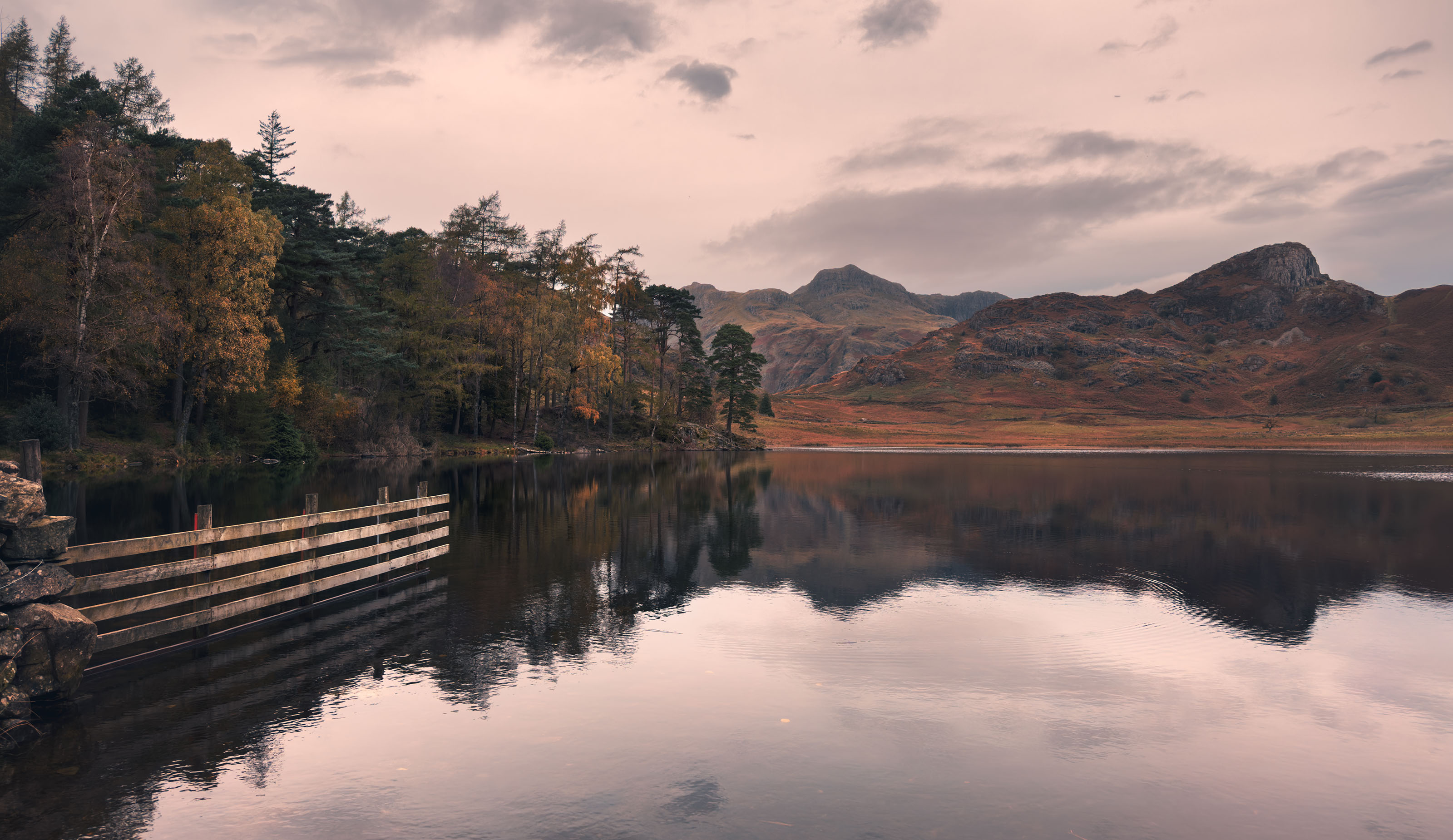
I have have just returned from a fabulous trip to the Lake District, where I was able to take some images in great conditions and really understand what the iPhone 14 Pro can really do.
When I take a photo of a beautiful scene with my phone, I always wish I took it on a better camera. But with the iPhone 14 Pro, that is not that case, mostly.
I love my Nikon Z7 system, I think it’s probably my favourite system I have used. It’s robust, logical, has fabulous image quality and is relatively portable. But, there’s no chance that I am taking it everywhere I go. In fact, I have proven to myself time after time that any camera I own, even a Ricoh GR just doesn’t get taken with me everywhere. At best it sits in the car and I forget it is there. My phone of course comes everywhere.

ProRAW and Computational Photography
I am not going to cover much here other than my experiences with the 14 Pro with it’s 48 Megapixel ProRAW mode. As a photographer who likes high resolution images and also edits every image, I want the full control that this mode offers. I am not that interested in the over processed 12mp images on the 14mm and 77mm lenses. They have their place though and can still produce a nice image, just not a malleable one.
When using this mode, you get a native 48 megapixel image along with, (I think) full computational imaging. Meaning all of the clever iPhone blending, noise reduction, bracketing is still here. You may think that isn’t a good thing, allowing the phone to do so much. But it 100% is. Without this, you would have impossibly noisy images, with huge colour casts, and blown highlights, or crushed irretrievable shadows.
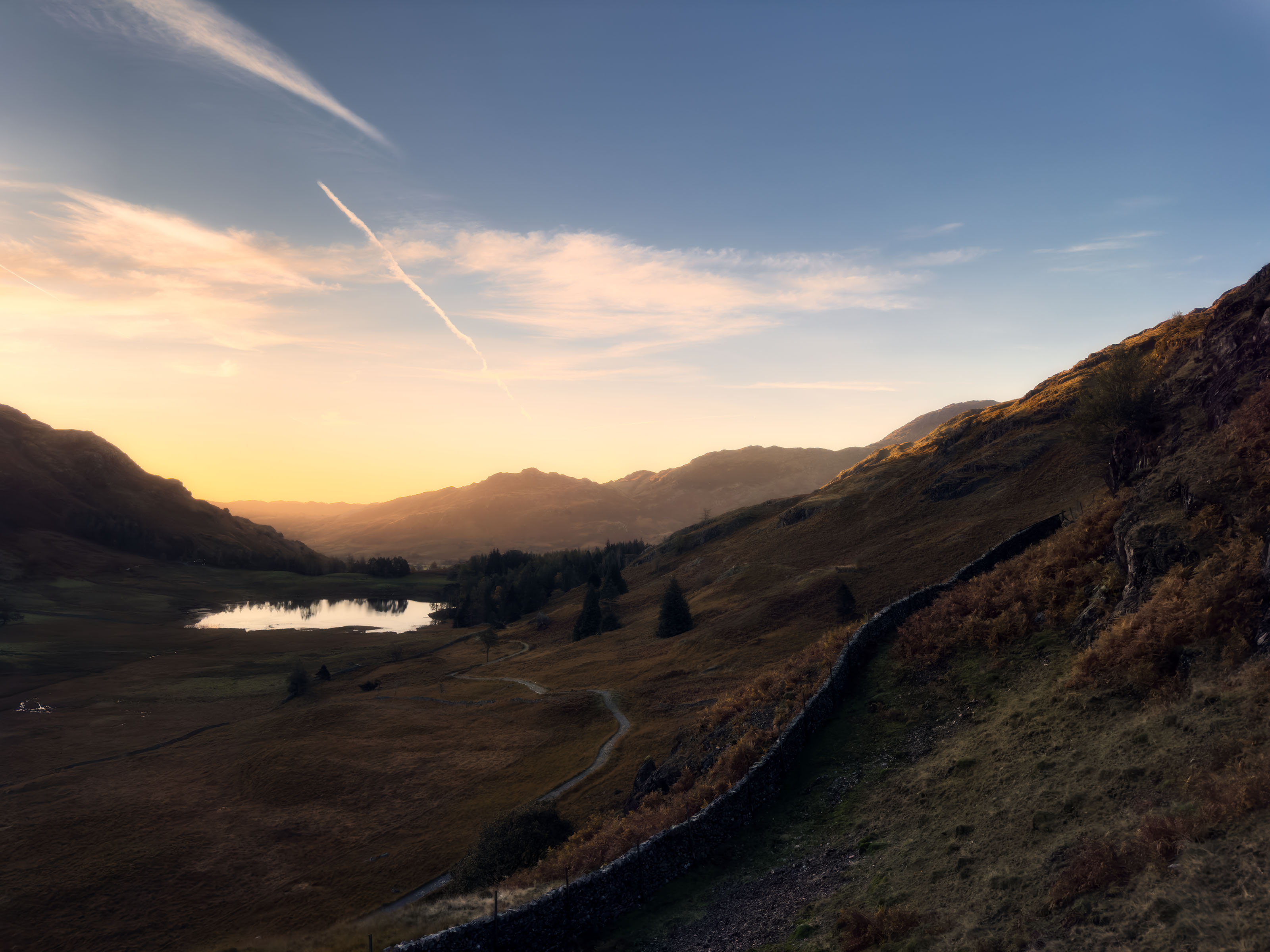
It’s not all roses, though, you do sacrifice a little too, like accepting apple slightly heavy noise reduction choices and some annoying exposure inconsistencies, but you gain so much more.
You have a file that is:
Essentially noise free (colour and luminance)
With no fringing in contrasty areas at all
A (mostly) perfect exposure every time – with exception to when the iPhone just freaks out and blows the highlights, but this is evident on the screen – some exposure compensation or picking a different focus point helps.
Without any over-sharpening at all
With RAW image data in tact for the brightest highlights to the darkest shadows

Simplicity over Ultimate Quality
I spend a lot of time in camera and then in Photoshop bracketing and then blending these brackets together. The need for this process is all but removed with the iPhone. The exposure is measured so well, generally, and the multiple images the 14 Pro takes are blended together perfectly within in a second or two, saving me a good few minutes in camera, and many more in post.
As fantastic as this is, I can (and so can you) of course achieve significantly better image quality by bracketing and then blending these in photoshop, with a ‘real’ camera like my beloved Z7. But for something that takes seconds and is with you all the time, it’s blooming fabulous, to be honest.
But, my words are not quite enough on their own, so let’s look at a rough comparison I shot between the iPhone 14 Pro and my Z7 II, with the 24-120mm Zoom. Which happens to be the best Zoom I have ever used.
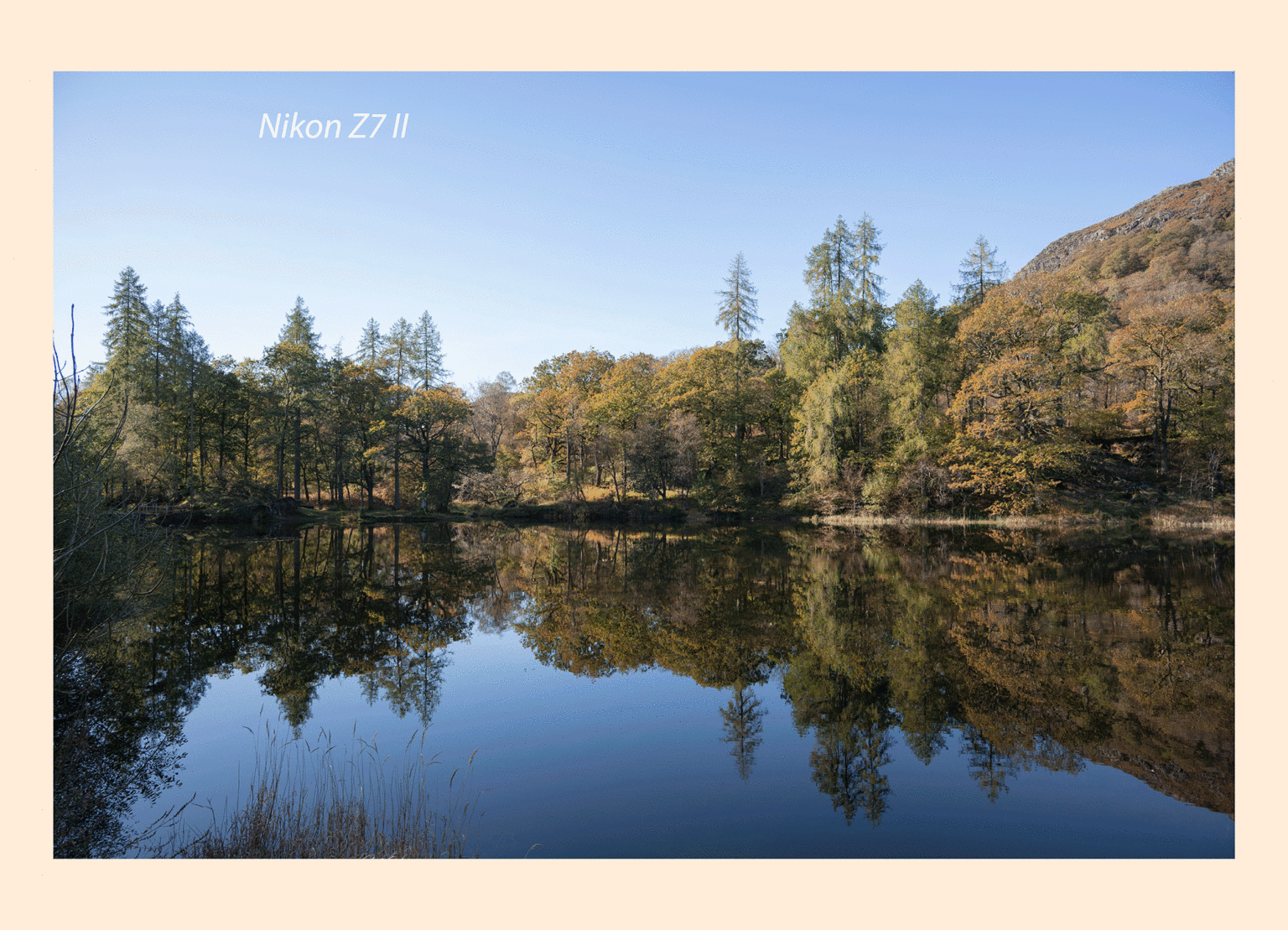
You can see the difference in aspect ratio here, and also the iPhone’s very saturated approach. Most of all, the Nikon does have a slightly wider view at 24mm, vs the iPhone at 24mm, and not just to do with the 3:2 vs 4:3 difference. The trees are larger in the Phone image, so maybe it is closer to a 25mm lens?
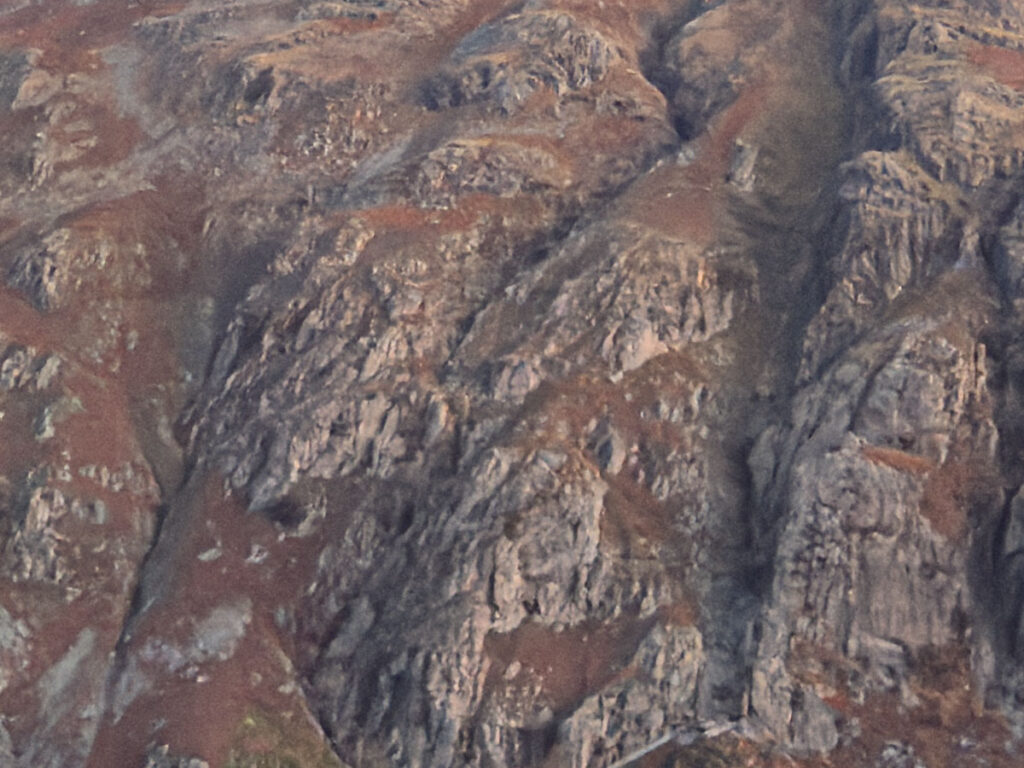
As expected the Nikon Z7 with its 46 ish Megapixel Full Frame sensor and high quality lens resolves significantly more detail than the iPhone. If I had to put a number on it, I would say 20-30% more. The better glass, larger pixels and lack of noise reduction are the differentiating factors here. The noise reduction of the iPhone is still pretty aggressive, but when you are not comparing side by side like this, it really doesn’t matter that much.
One positive for the 14 Pro, is it’s amazing ability to get rid of any colour noise and CA from the image. If you cannot see this clearly, please feel free to download the .PSD file below.
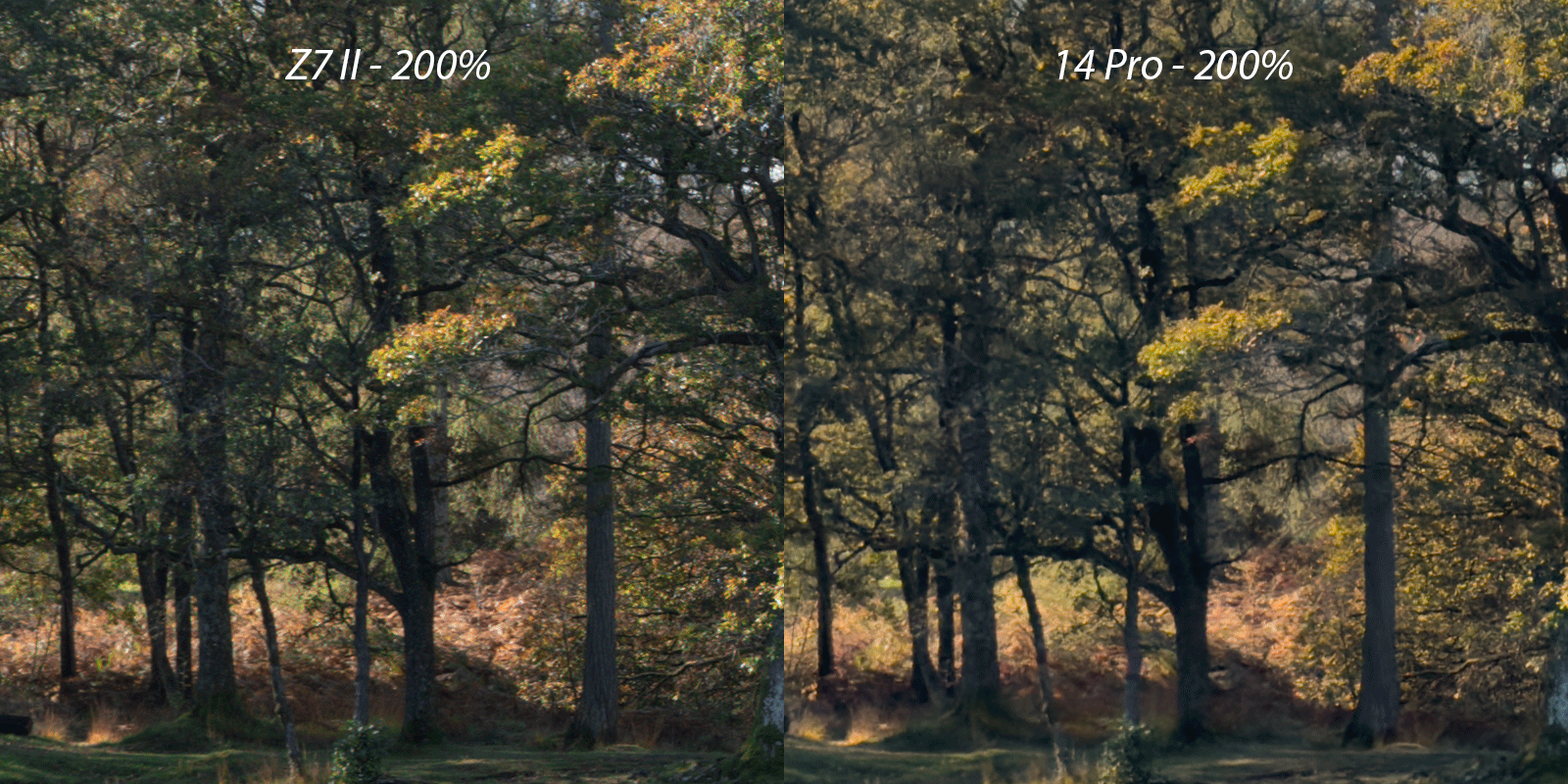
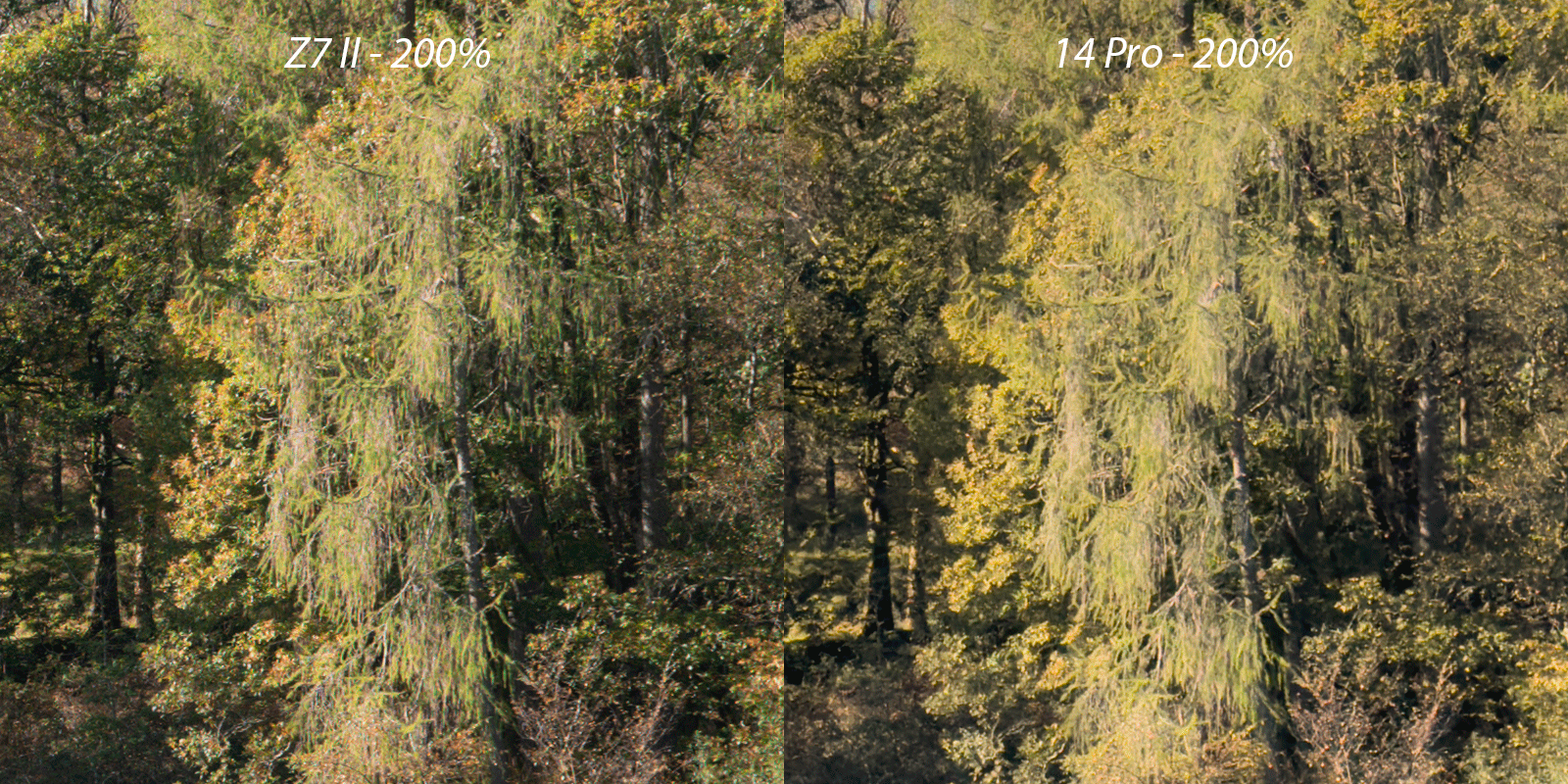
Apple is guilty, along with almost every other smartphone manufacturer applies significant processing to its images. Resulting in heavy handed, saturated, over sharpened images that have very limited uses, especially for a discerning photographer;)
So it is great to see that this processing is essentially gone with the new ProRAW 48 Megapixel image, apart from the Noise Reduction, but I can live with that. However, this may not be immediately apparent if you dont know how to find the original file.
If you view the RAW file on your phone or Mac, you are not viewing the RAW file (that is actually impossible), you’re viewing apples heavily processed embedded JPEG. Which is fine, but don’t use this to edit from.
'Low Light', but not 'No Light'
So, low light… the 14 Pro of course has a night mode, and from my limited use, it seems no better than the 13 Pro. Night mode was a breakthrough on the 11 Pro a few years ago, but improvements since have been minor at best. But lets forget night mode…
In full resolution the 14 Pro is surprisingly viable in Low Light. To a point. When it reaches it’s limit though, it falls apart hard and fast. You won’t really know when this limit is either, only when you take your image into Photoshop to edit, it will contain an awful magenta noise that will stop you in your tracks. Possibly this might be removable in software like Topaz or DXO (when it is supported)
I would describe the limited as twilight or dusk. Certainly nowhere close to true darkness. As long as these is some light and you can see relatively easily with your own eyes, you should be good to go! See below…
MALLEABILITY
My word of the year. To the right is an example of how flexible the ProRAW file from apple is. It’s incredible, and that isn’t an overstatement either. I feel it has a similar Dynamic Range to my Nikon Z7, and absolutely more Dynamic Range than my Ricoh GR. Remember, though, that this is blending multiple exposures together… So it’s not really a fair fight.


High ISO Example
Believe is or not, the image to the left is shot as ISO 5000… whatever that means? ISO with smartphone photography isn’t the same as traditional photography. Lets say there is an average of 5 still images that go into one frame of the iPhone 14 Pro, which one is ISO 5000? It’s definitely not all of them. We know that many ISO’s are used to freeze motion, lower noise and retain detail, so the ISO rating the the metadata really is just a guess, I guess.
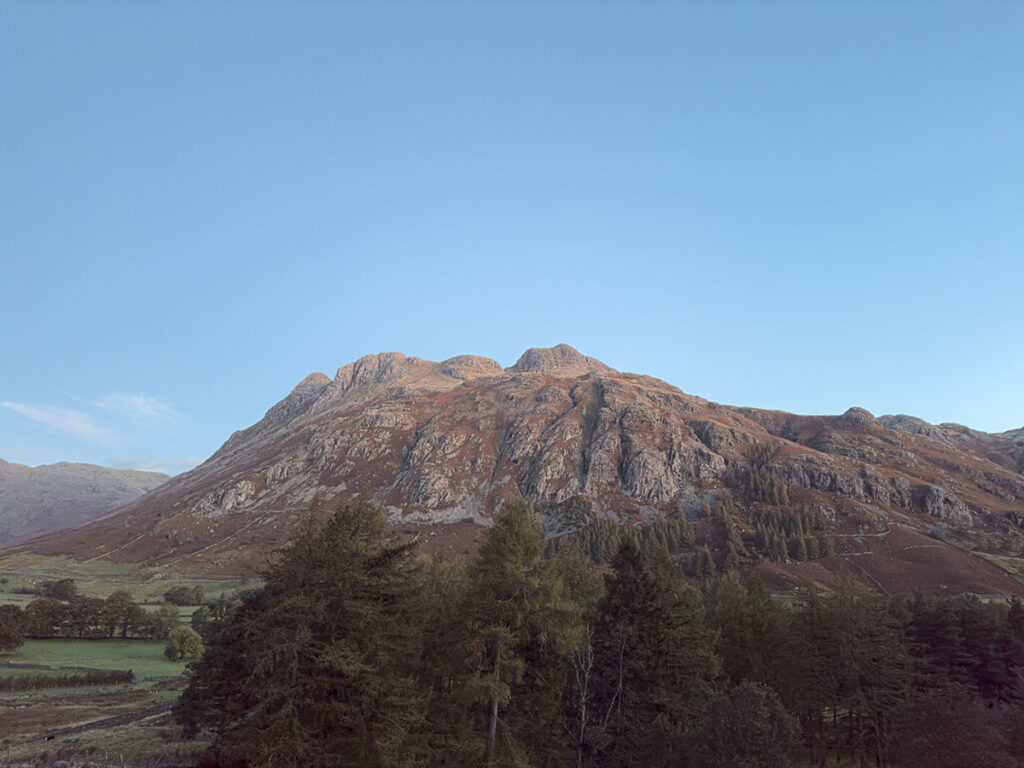

The Lake District is a truly beautiful place. I don’t feel like I have had anywhere near enough time here and I plan on going back many more times.
Taking the iPhone 14 Pro was a joy this time. Although it is limited to a 24mm lens, without a filter system, with no way to take a long exposure and no real control over the image. The output is fantastic, for what it is.
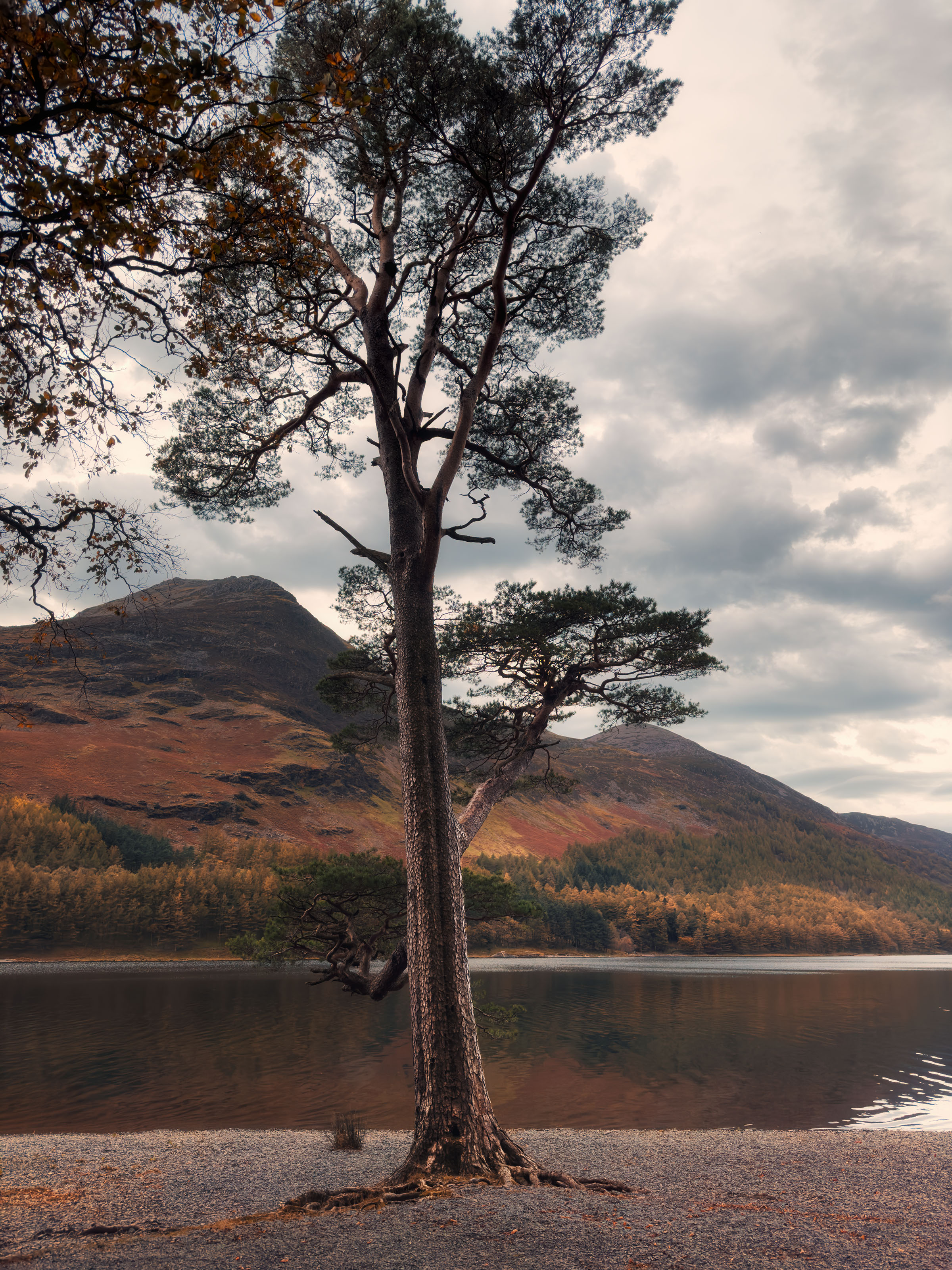
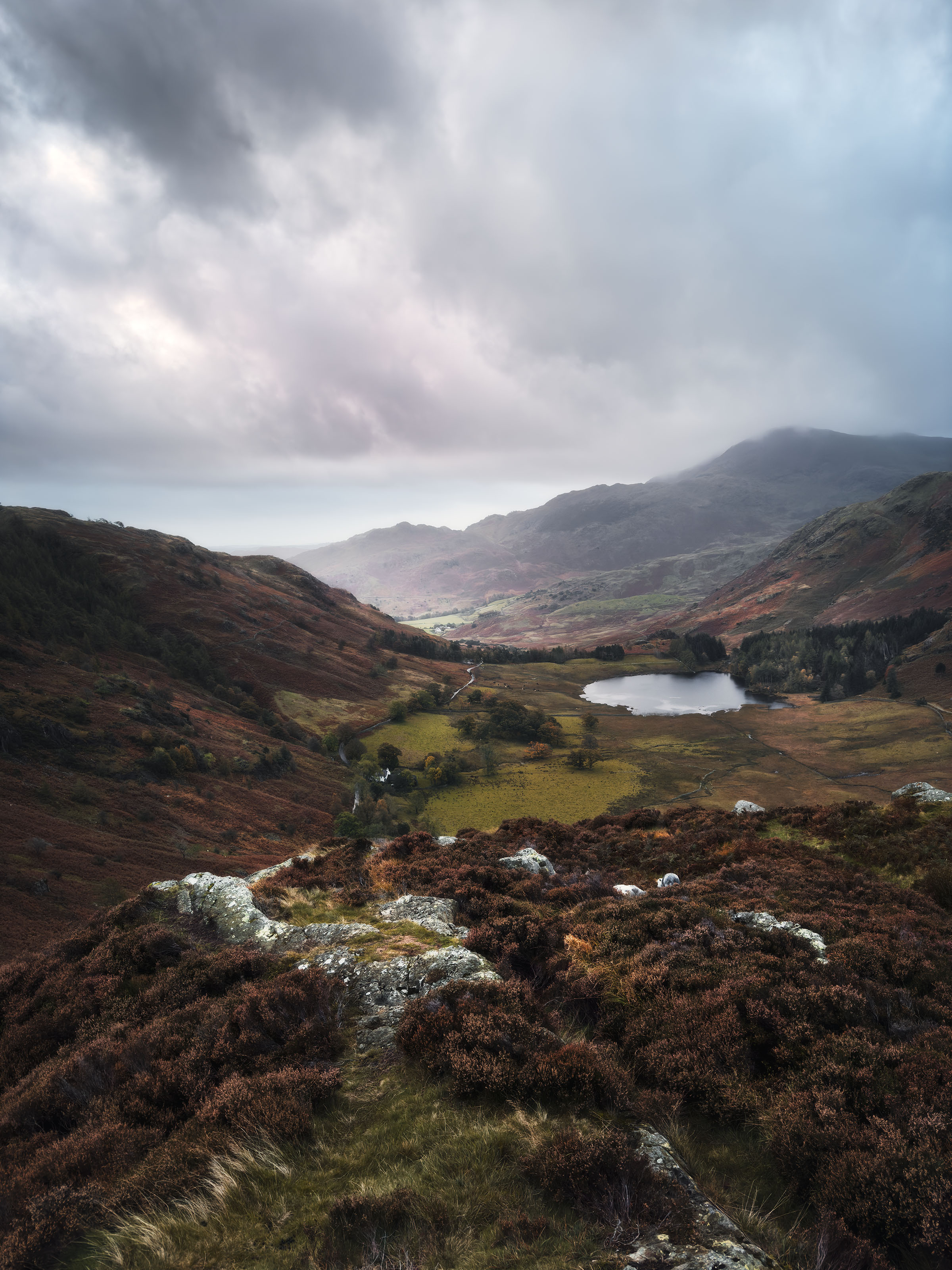
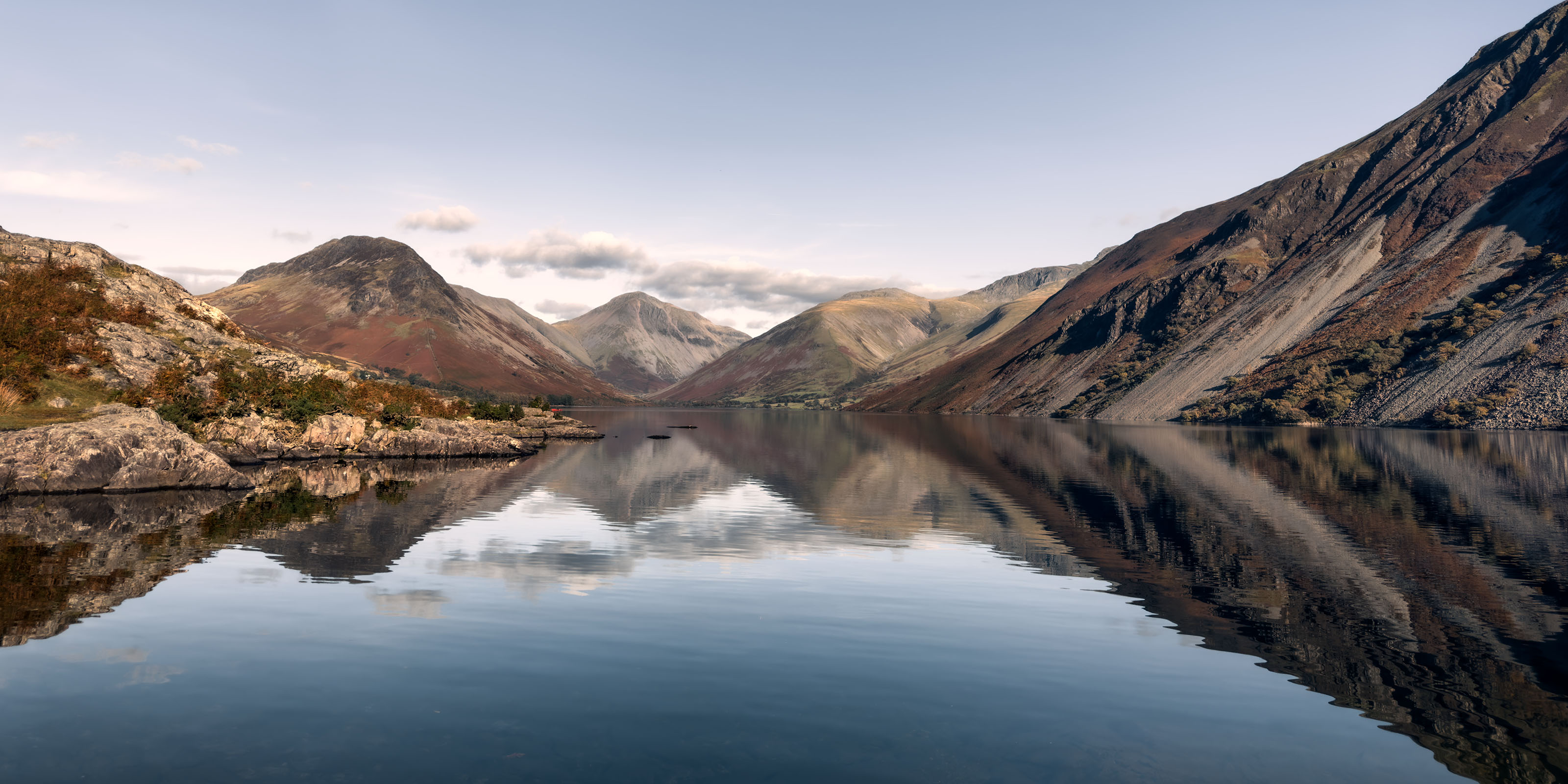
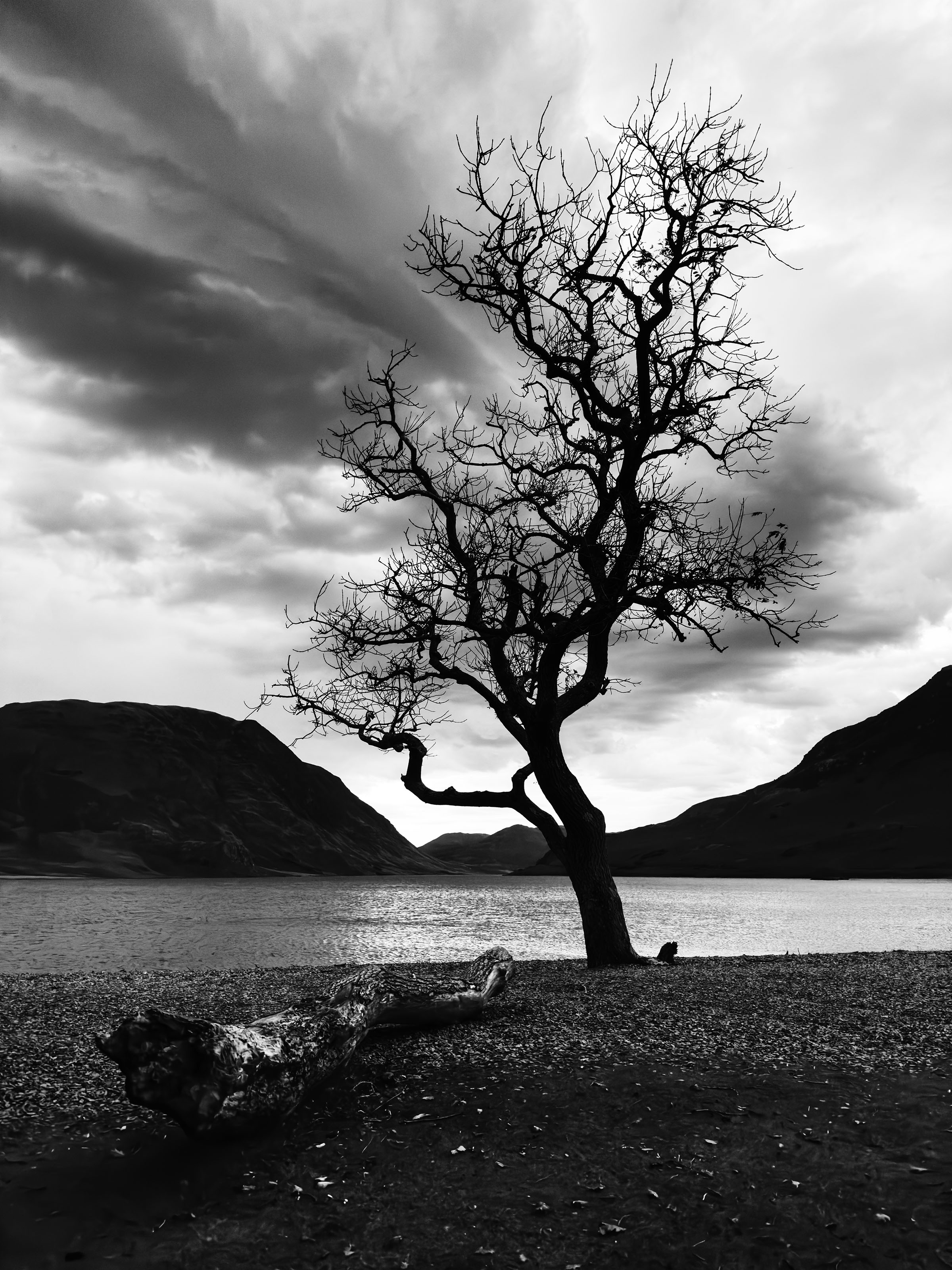
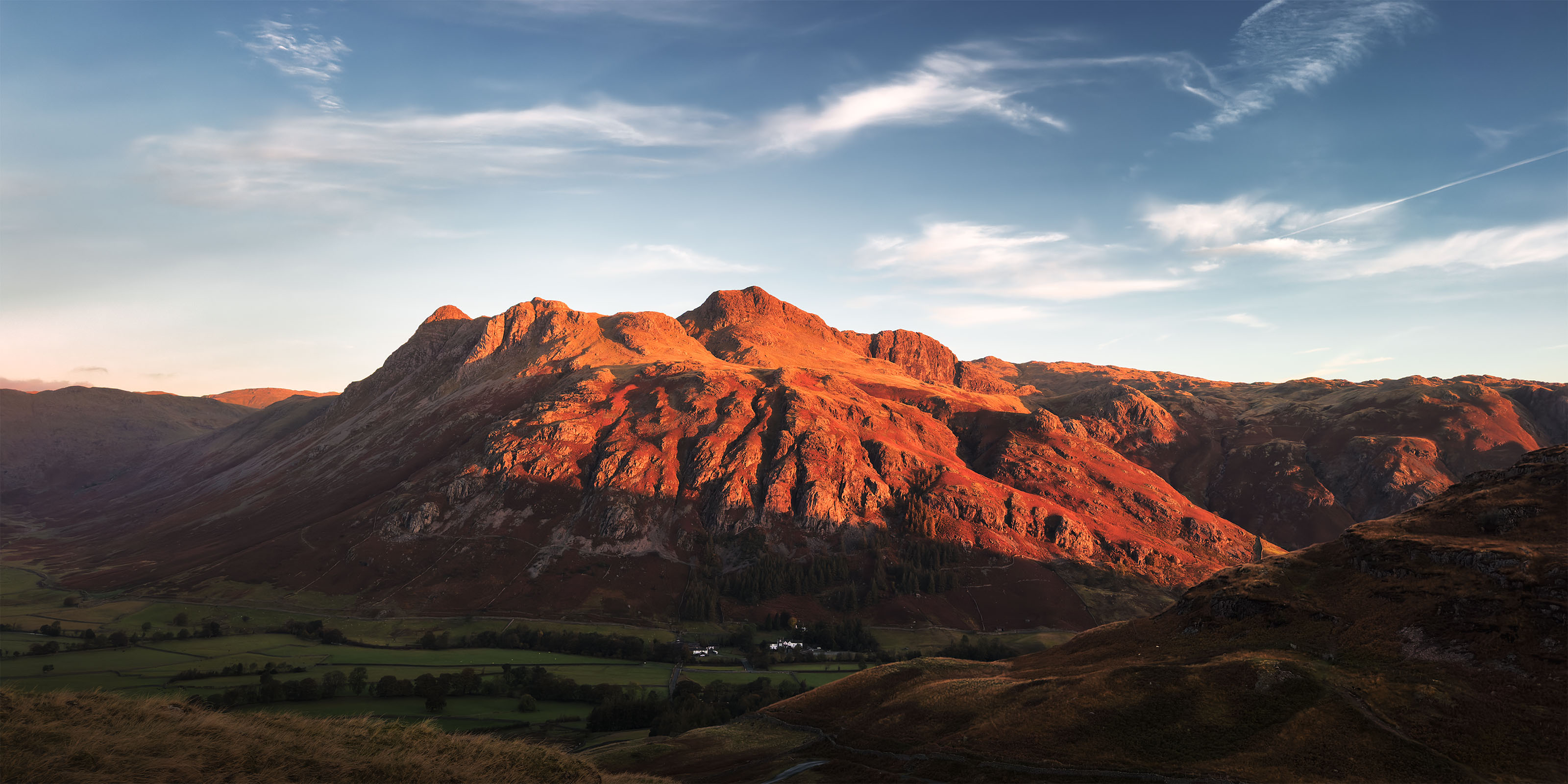
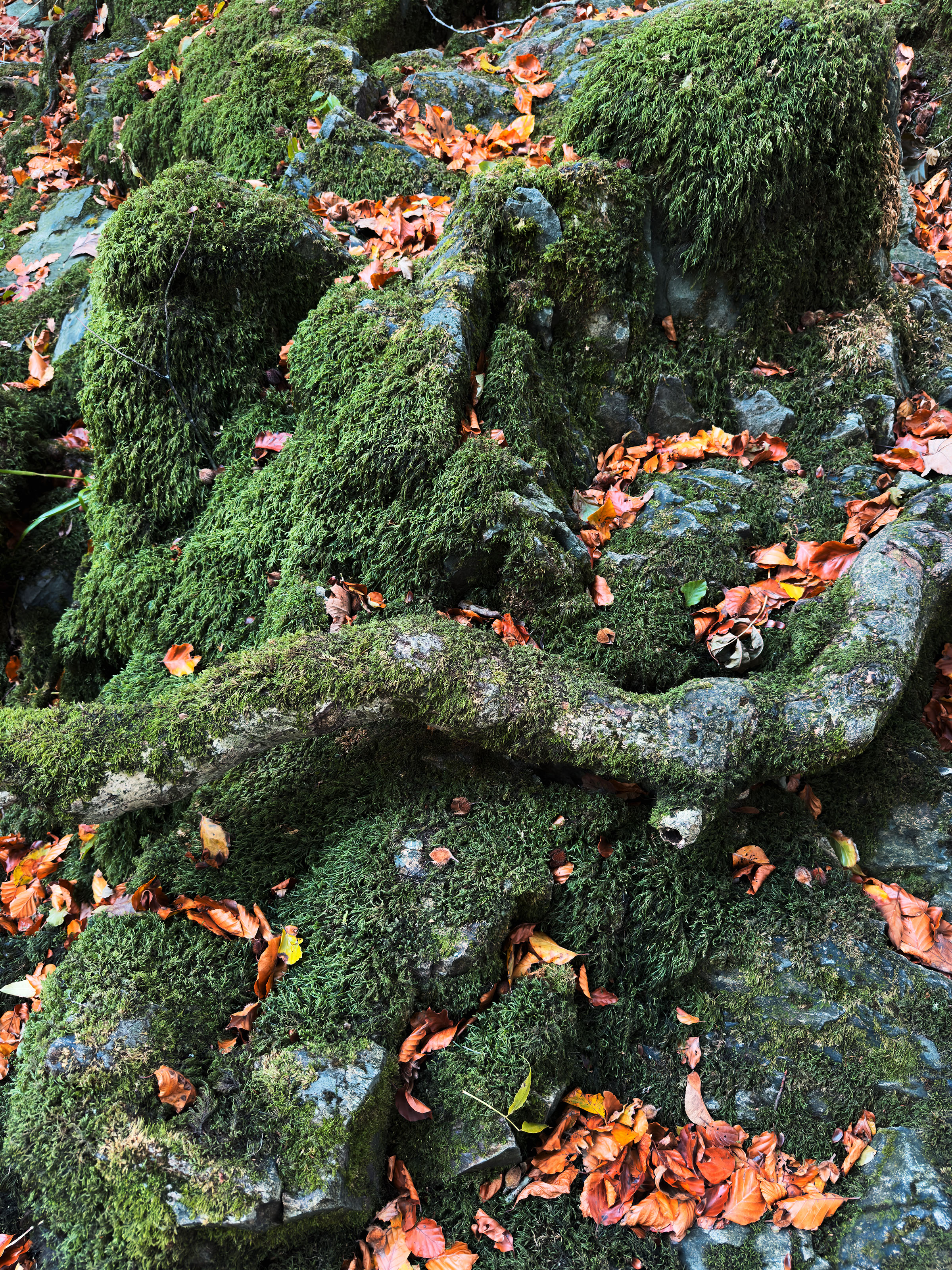
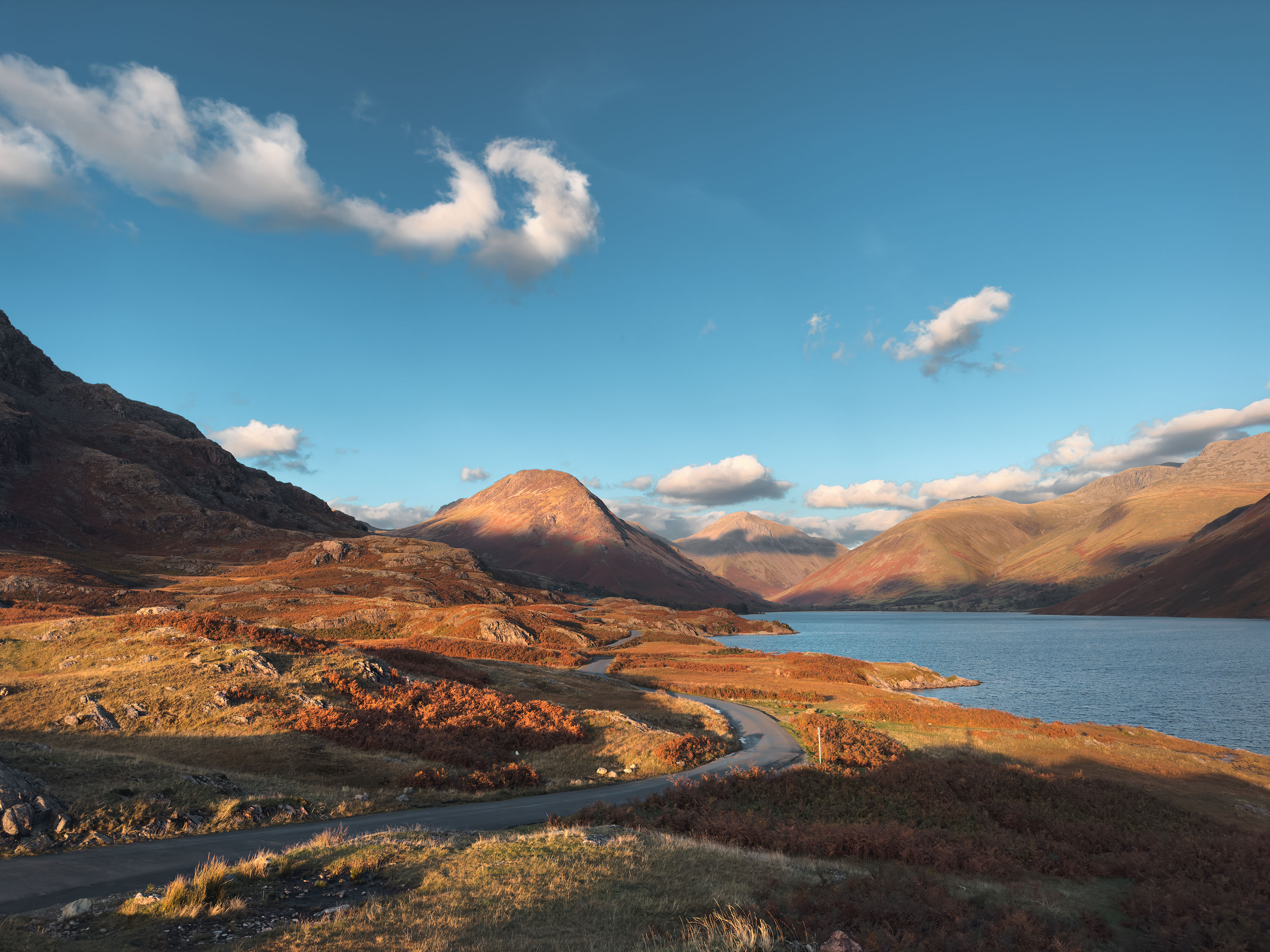
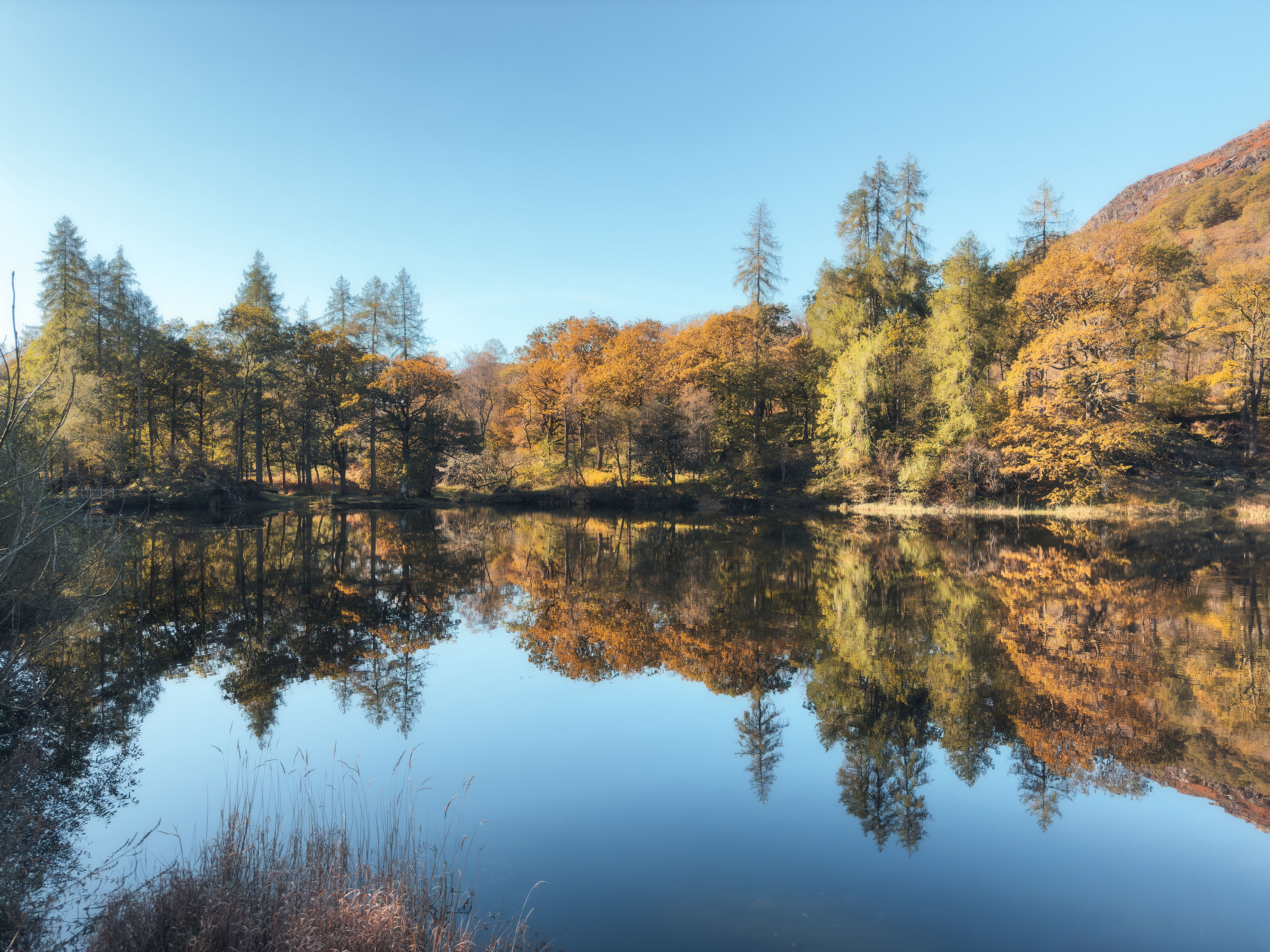
Here are some more shots from the absolutely gorgeous, Lake District.



TIPS
- Let iCloud sync or airdrop your files from your phone to Mac, or transfer / import via cable > go into apple photos > select your raw files > go to File, Export, Unmodified Original and then save to a folder.
When opening up in Lightroom or Photoshop, remove the default sharpening by going into the ‘Details’ section and dragging the sliders to zero. You may as well remove any noise reduction too, as this won’t be needed with these files.
You now have bare ProRAW file without any over sharpening.
- Bracket at sunrise and sunset – especially when you have a small bright patch of sky – the phone just cannot meter properly
- Focus yourself, lock focus if needed – don’t just let the phone chose the focus point. With a larger sensor and a F1.8 aperture, there isn’t as much depth of field as you may think.,